
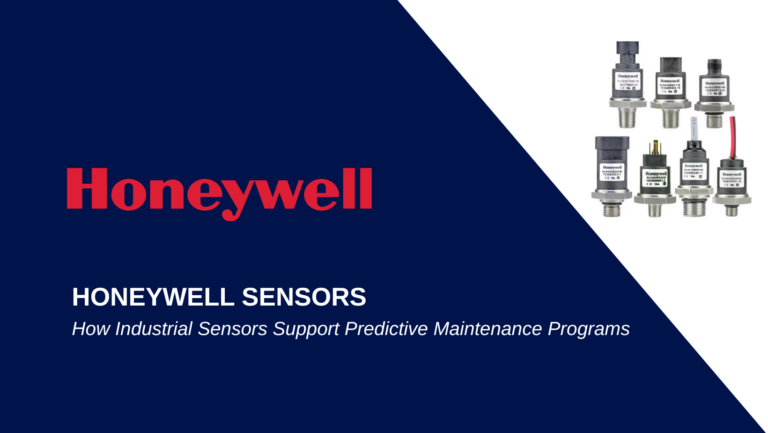
Unplanned downtime can be costly for manufacturers, leading to lost production, increased maintenance expenses, and reduced efficiency. To combat these challenges, many facilities are adopting predictive maintenance strategies that use real-time data to identify potential equipment issues before failures occur.
Industrial sensors play a critical role in making predictive maintenance possible.
What Is Predictive Maintenance?
Predictive maintenance (PdM) is a maintenance strategy that monitors equipment condition and performance to determine when service is needed. Instead of following a fixed maintenance schedule or waiting for equipment to fail, maintenance teams can address issues proactively, reducing downtime and extending equipment life.
How Industrial Sensors Support Predictive Maintenance
Industrial sensors continuously monitor machinery and process conditions, collecting data that helps maintenance teams identify abnormal operating conditions early.
Common sensor technologies used in predictive maintenance include:
- Temperature sensors, which can detect overheating caused by bearing wear, motor overloads, or electrical issues.
- Pressure sensors, which monitor hydraulic and pneumatic systems for leaks, blockages, or failing components.
- Position and limit sensors, which verify that machine components are operating correctly and can help identify mechanical wear or misalignment.
By monitoring these critical parameters, sensors provide early warning signs that allow maintenance personnel to schedule repairs before a failure impacts production.
Benefits of Sensor-Driven Predictive Maintenance
Implementing industrial sensors as part of a predictive maintenance strategy offers numerous benefits:
Reduced Unplanned Downtime
Early fault detection allows maintenance teams to address issues during planned shutdowns rather than experiencing unexpected production interruptions.
Lower Maintenance Costs
Predictive maintenance reduces unnecessary preventive maintenance activities and minimizes emergency repair expenses.
Extended Equipment Life
Addressing issues before they escalate helps reduce wear and tear on critical assets, extending equipment lifespan.
Improved Safety
Identifying potential failures before they occur helps create a safer work environment by reducing the risk of equipment-related incidents.
Increased Productivity
Reliable equipment means fewer disruptions, improved throughput, and greater operational efficiency.
Partner with Lakeland Engineering
A successful predictive maintenance program starts with selecting the right sensing technology. Lakeland Engineering offers a wide range of industrial sensing solutions, including Honeywell products, to help manufacturers improve reliability, maximize uptime, and support long-term maintenance goals.
Our team can help you identify the right sensors for your application and integrate them into your existing automation system.