
When adding new equipment to an existing electrical system, one important question needs to be answered: Does the system have enough available capacity to handle the additional load?
Whether you’re installing new machinery, expanding production, or upgrading facility equipment, understanding your electrical system’s existing demand can help you make informed decisions before moving forward. A 30-day electrical load study provides valuable data about how a system performs under real operating conditions.
With power meter rentals from Lakeland Engineering Equipment Company, you can access the equipment needed to monitor electrical demand over time without purchasing a power meter for a single project.
What Is an Electrical Load Study?
An electrical load study measures and records the electrical demand of an existing system over a specified period. Rather than relying solely on estimates or a snapshot of current usage, a load study captures how demand changes as equipment starts, stops, and operates throughout normal production cycles.
This information can help electrical professionals evaluate existing system capacity, identify periods of peak demand, and determine whether additional equipment can be supported.
Load studies can be useful for several applications, including:
Adding new equipment: Evaluate existing electrical demand before expanding a facility or installing additional machinery.
Planning electrical upgrades: Gather data to help inform decisions about electrical distribution equipment and system capacity.
Understanding energy usage: Review demand patterns and identify opportunities for further energy analysis.
Troubleshooting electrical concerns: Collect operating data that may help identify unusual demand patterns or changes in system performance.
Why Perform a 30-Day Load Study?
Electrical demand can vary significantly throughout the day and across different production schedules. A single measurement may not capture the system’s highest demand, especially when equipment operates intermittently or production changes throughout the week.
A 30-day load study provides a longer monitoring period to help capture these variations under actual operating conditions.
This type of study is also relevant to NEC 220.87, which addresses determining existing loads. Under the applicable conditions in that section, existing maximum-demand data can be used to evaluate whether a feeder or service can accommodate additional load. When qualifying one-year demand data is unavailable, the code provides for using maximum demand continuously recorded over a 30-day period, subject to specific requirements.
Because code requirements and locally adopted editions can vary, consult a qualified electrical professional to determine the appropriate method and verify compliance for your installation.
What Does a Power Meter Measure?
A power meter or data logger records electrical measurements over time, providing a more complete picture of system performance than a single reading.
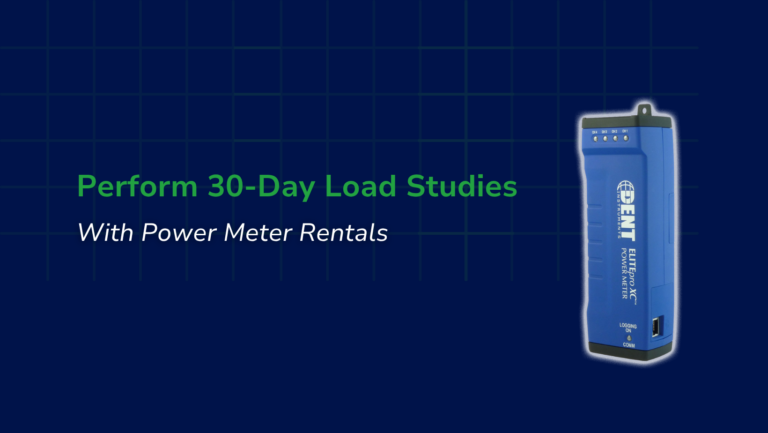
Lakeland offers rentals of the DENT ELITEpro XC data logger, which can be used for electrical load monitoring and energy analysis on single-phase and three-phase installations.
Depending on the configuration and application, the ELITEpro XC can record:
Power and demand: Monitor kW and other demand-related measurements to understand how electrical loading changes over time.
Energy consumption: Record kWh to evaluate energy usage throughout the monitoring period.
Power factor: Capture power factor data to provide additional insight into electrical system performance.
Additional inputs: Use its four analog input channels, configured for compatible voltage or current signals, to correlate electrical measurements with other operating conditions.
The data collected can help electrical professionals evaluate demand patterns and make better-informed decisions about existing system capacity.
How Does a 30-Day Load Study Work?
Although each installation is different, a typical load study follows several key steps.
1. Identify the Electrical System and Study Requirements
Determine which feeder or service needs to be evaluated and establish the study’s objectives. The equipment configuration, measurement points, and recording requirements should be selected based on the installation and applicable code requirements.
2. Install the Power Meter or Data Logger
A qualified electrical professional installs and configures the recording equipment at the appropriate measurement point. For applications involving NEC 220.87, the code specifies particular requirements for measuring existing demand, including the highest-loaded phase under the prescribed conditions.
3. Record Electrical Demand
The data logger continuously records the required measurements throughout the study period. For a 30-day study, this allows the recorded demand to reflect normal operating conditions across the monitoring window.
4. Review the Recorded Data
Once monitoring is complete, the collected data can be extracted and reviewed to identify maximum demand and other relevant electrical characteristics.
5. Evaluate Available Capacity
A qualified electrical professional uses the recorded data, equipment ratings, and applicable code requirements to evaluate whether the proposed additional load can be accommodated. The study’s results help inform the next steps, which may include proceeding with the planned installation or evaluating electrical upgrades.
Rent the Equipment You Need for Your Next Load Study
Purchasing specialized power monitoring equipment may not make sense for every project, particularly when the equipment is needed for a limited period. Renting gives you access to the tools required for the job without the upfront cost of ownership.
Lakeland Engineering Equipment Company offers power meter rentals to support electrical load studies and other power monitoring applications. Our team can help you identify rental equipment for your project, coordinate the rental period, and discuss available data extraction and reporting assistance.
Whether you’re evaluating capacity before adding machinery or gathering data for an electrical system assessment, having the right measurement equipment can help you move forward with greater confidence.
Need a power meter for your next load study?
Contact Lakeland Engineering Equipment Company to discuss your application and rental requirements.
-
Phone: 763-489-3733
-
Explore rentals: https://rentals.lakelandengineering.com/
Lakeland’s team can help you find a rental solution that fits your project needs and timeline.