
- Product Spotlight
Understanding I/O Systems in Industrial Automation: A Practical Guide
- By Marketing
In industrial automation, Input/Output (I/O) systems are the vital link between control systems and the physical world. They allow machines to sense what’s happening on the plant floor and act on those conditions in real time, making them foundational to reliable, efficient operations.
Whether you’re upgrading an existing control system or designing a new facility, understanding I/O systems is essential to building a scalable and resilient automation architecture.
What Are I/O Systems?
I/O systems enable communication between controllers, such as PLCs or DCS and field devices like sensors and actuators.
- Input modules receive signals from sensors measuring variables such as temperature, pressure, level, or flow.
- Output modules send commands to equipment like motors, valves, and drives.
Together, they create a continuous feedback loop that allows automated systems to monitor conditions and respond appropriately.
Common Types of I/O Systems
Industrial environments use several types of I/O, depending on the application:
Digital I/O
Handles simple on/off signals. Common uses include limit switches, push buttons, relays, and indicator lights.
Analog I/O
Processes continuous signals (such as 4–20 mA or 0–10 V) for precise control of variables like temperature, pressure, and speed.
Specialty I/O
Designed for specific applications such as:
- High-speed counting
- Motion control
- Thermocouples and RTDs
- Safety-rated signals
Remote I/O
Remote I/O systems place I/O modules closer to field devices and communicate back to the controller via industrial networks like Ethernet/IP, Modbus, or Profibus. This approach:
- Reduces wiring costs
- Improves system flexibility
- Simplifies expansion and maintenance
Why Advanced I/O Systems Matter
Modern I/O platforms do more than transmit signals—they provide intelligence and visibility that improve operations.
Key benefits include:
- Real-time process monitoring for faster response to abnormal conditions
- Modular scalability, allowing systems to grow as production needs change
- Advanced diagnostics that detect wiring faults, signal issues, or module failures early
These features support predictive maintenance strategies, helping reduce downtime and extend equipment life.
How to Choose the Right I/O System
Selecting the right I/O solution requires balancing current needs with long-term flexibility. Key considerations include:
- Signal types and point count (with room for future expansion)
- Environmental conditions such as temperature, vibration, dust, or moisture
- Communication protocols compatible with your control architecture
- Installation approach, whether centralized in panels or distributed near equipment
Working with experienced automation partners can help ensure the system is both technically sound and cost-effective.
Best Practices for Integration
Successful I/O implementation goes beyond hardware selection. Best practices include:
- Proper grounding and shielding to protect signal integrity
- Strategic placement of remote I/O to minimize wiring complexity
- Clear documentation for troubleshooting and long-term maintenance
Attention to these details improves reliability and simplifies future upgrades.
The Future of I/O Systems
As Industry 4.0 and IIoT adoption increases, I/O systems are evolving rapidly. Modern platforms now offer:
- Enhanced diagnostics and data visibility
- Built-in cybersecurity features
- Cloud and remote monitoring capabilities
These advancements enable predictive analytics and smarter decision-making across industrial operations.
Final Thoughts
I/O systems are the foundation of reliable industrial automation, and the right architecture can improve performance, scalability, and long-term maintainability. Getting it right requires more than selecting hardware, it takes practical engineering experience.
Lakeland helps manufacturers design and modernize I/O systems that perform in real plant environments. From evaluating existing controls to implementing scalable local and remote I/O, Lakeland delivers solutions built for reliability and growth.
If you’re planning an automation upgrade or expansion, request a quote from Lakeland to get expert guidance and a solution tailored to your operation.
Related Posts
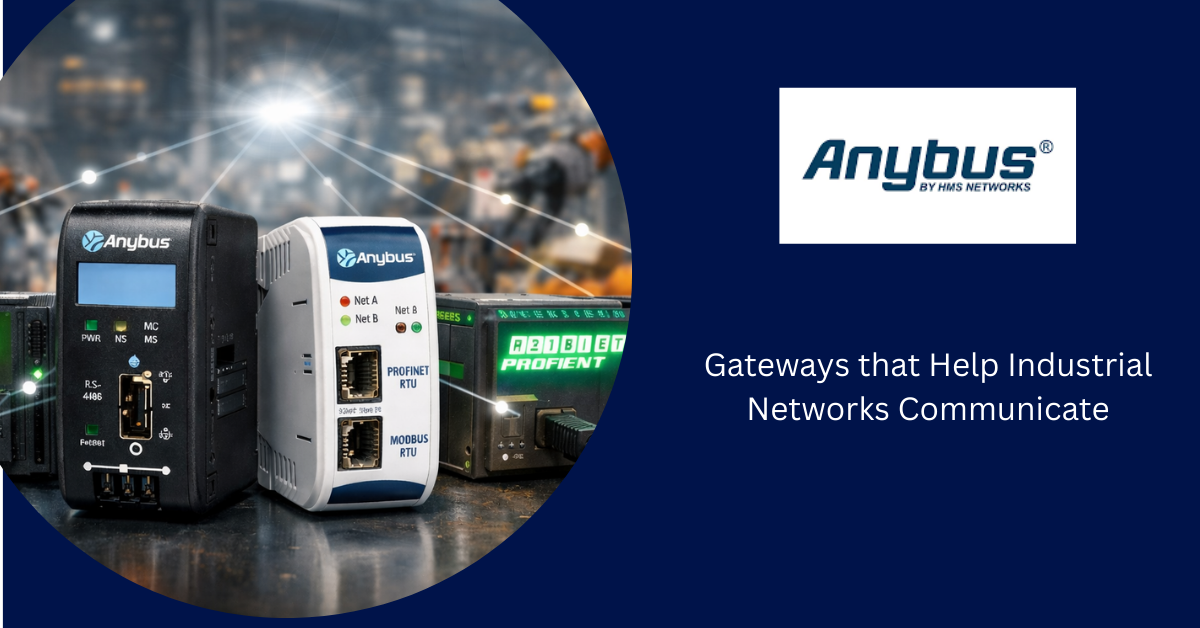
How Anybus Gateways Help Industrial Networks Communicate
